

Curious about where you belong in kink? You are not the only one. Look at this table to see how many adults have tried BDSM:
|
Source |
Percentage of Adults Engaged in BDSM Activities |
|---|---|
|
Belgian Sample |
46.8% tried BDSM, 7.6% self-identified as practitioners |
|
US National Sample |
31.9% lifetime spanking, 21.1% tying up/being tied |
|
General Survey |
34% admitted to BDSM play |
Trying different BDSM levels can help you find what you like. When you know your own limits, you make things safer and more fun. Here is what experts say about limits in kink:
-
You make things safer and more fun when you know your limits.
-
Talking and using safe words helps people trust each other.
-
Being honest about what you want makes limits clear.
Key Takeaways
-
Understanding your limits in BDSM makes play safer and more enjoyable. Know the difference between soft limits, which you might explore, and hard limits, which you will not cross.
-
Open communication with your partner is essential. Discuss your desires, boundaries, and use safe words to ensure both of you feel comfortable during play.
-
Take your time exploring kink. Start slow, check in often, and adjust your limits as you gain experience and confidence.
-
Use tools like a yes/no/maybe list to clarify your interests and boundaries. This helps you and your partner understand what feels right for both of you.
-
Remember, consent is an ongoing conversation. You can always change your mind about what you want to try, so keep talking and listening to each other.
Kink and BDSM Levels
What Are Kink Levels?
You might wonder what kink levels mean. Kink covers many interests, from playful teasing to intense bdsm play. Some people like light spanking or roleplay, while others enjoy more intense bdsm levels. There is no official scale for kink or fetish. Your preferences are unique. You decide what feels good and safe for you.
People often confuse kink and fetish. Kink is a broad term. You do not need a kink for pleasure. Fetish means you need something specific for arousal. Many think kink or fetish is harmful or strange. Most people practice bdsm safely and with respect. Open talks help reduce shame and stigma.
Here is a table showing common categories in bdsm levels:
|
Category |
Description |
|---|---|
|
Dom-type |
Focuses on a dominant identity in bdsm play, using mental and physical power. |
|
Sub-type |
Involves a passive role, giving up power through submission or masochism. |
|
Switch |
Moves between Dom-type and Sub-type roles, depending on mood or needs. |
Understanding BDSM Limits
You set your own bdsm limits. These limits help you feel safe and enjoy play. Many things shape your bdsm limits. Culture, trends, and what you see in media can change your interests. Some people start thinking about bdsm at different ages. You might feel more open about bdsm if you see it in movies or online.
Your personality also matters. If you feel confident, you may set clear bdsm limits and enjoy a dominant role. If you feel shy or worry about others’ opinions, you might feel guilt or shame about your kink or fetish. You can build comfort by talking openly and practicing setting limits.
Tip: Try making a yes/no/maybe list with your partner. This helps you map out your bdsm limits and plan your play.
Soft vs. Hard Limits
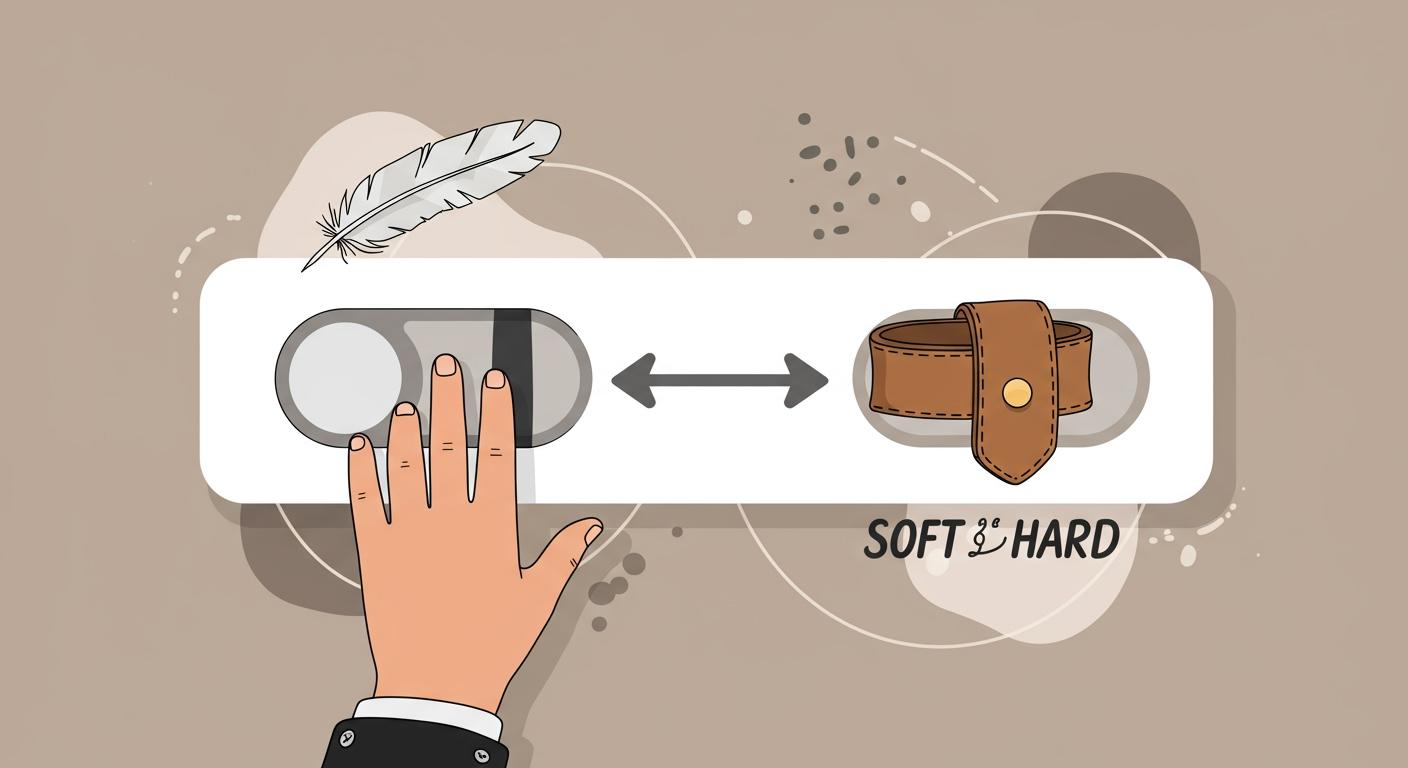
You need to know the difference between soft limits and hard limits. Soft limits are things you might try but feel unsure about. You need trust and open talk to explore these. Soft limits can change as you gain experience in bdsm play.
Hard limits are strict boundaries. You will not cross these, no matter what. Breaking hard limits can cause emotional harm and break trust. Hard limits stay the same over time.
|
Type |
Definition |
Emotional Impact |
Negotiability/Consistency |
|---|---|---|---|
|
Soft Limits |
Activities you feel open to but still unsure about. |
You feel vulnerable, so you need careful talk and trust. |
Soft limits may change as you learn and build trust. |
|
Hard Limits |
Activities you will never do. |
Breaking these can hurt you and damage trust. |
Hard limits stay firm and do not change. |
Knowing your bdsm limits makes play safer and more fun. You can reflect on your interests, learn about kink or fetish, and talk with your partner. Start slow and check in often. Your boundaries matter.
Self-Assessment and Boundaries
Exploring Your Interests
You might feel curious about kink, but not know where to start. That’s normal! The first step is to ask yourself what excites you. Think about moments when you felt a spark during play. Maybe you liked a certain touch, a playful tease, or even the idea of submission. Write down anything that comes to mind, even if it feels silly. Your interests can help you discover your bdsm limits.
Try using a checklist to organize your thoughts. You can find many online, or make your own. List activities you want to try, things you’re unsure about, and things you know you don’t want. This helps you see your boundaries more clearly. When you explore kink, you get to decide what feels right for you.
Tip: Don’t rush. Take your time to notice what makes you feel excited, safe, or nervous. Your feelings matter.
Identifying Comfort Zones
Finding your comfort zone is key before you jump into new kink activities. You want to feel safe and respected during play. Start by talking with your partner about what you both enjoy. Open communication builds trust and helps you both relax.
Here’s a table to help you spot your comfort zones:
|
Key Aspect |
Description |
|---|---|
|
Communication |
Talk about what feels good and what doesn’t. Make sure everyone agrees before you start. |
|
Safe Words |
Pick a word or gesture that means “stop” or “slow down.” Use it anytime during play. |
|
Setting Boundaries |
Decide what is okay and what is not. Share these limits before you begin any new activity. |
You can also use a kink test to see what interests you share with your partner. This makes it easier to discover your bdsm limits together. Remember, you don’t have to try everything at once. Explore slowly and check in with each other often.
-
Always talk about consent and comfort before you play.
-
Use safe words to protect yourself and your partner.
-
Set clear boundaries so everyone feels safe.
-
Try new things one step at a time.
When you know your comfort zone, you can enjoy play without worry. Emotional safety lets you share your thoughts and feelings without fear. This makes it easier to set limits and be yourself.
Setting Hard and Soft Limits
Setting limits is one of the most important parts of kink. You need to know what you want to try, what you might try, and what you will never do. These are your soft and hard limits. Soft limits are things you feel unsure about. You might try them with someone you trust. Hard limits are things you will not do, no matter what. Respecting these limits keeps play safe and fun.
When you set limits, you protect your feelings and your relationship. You also help your partner understand how to make play enjoyable for both of you. Emotional safety grows when you know your limits and share them openly.
Here are some benefits you might notice when you set clear limits before you play:
-
You worry less and enjoy play more.
-
You learn what you like and what you don’t.
-
You feel safer with your partner.
-
You handle stress better.
Note: Setting boundaries creates a safe space for your feelings and needs. It helps you avoid feeling overwhelmed or tired. Limits protect you and your relationship.
You can discover your bdsm limits by checking in with yourself before and after play. Ask yourself how you felt. Did you enjoy the activity? Did anything make you uncomfortable? Adjust your limits as you learn more about what you like. Your boundaries can change over time, and that’s okay.
Kink is about exploring what feels good for you. You get to choose your own path. When you know your limits, you can play with confidence and joy.
Consent and Communication
Discussing Consent
You must talk honestly before any kink or bdsm play. Consent is more than just saying yes or no. You and your partner should talk about what you want and what you do not want. You both need to share your limits and boundaries. Consent is a talk that happens before, during, and after play. You should feel safe and happy, not forced or scared.
Here’s a table showing key parts of good consent talk in bdsm:
|
Key Element |
Description |
|---|---|
|
Pre-negotiation |
You and your partner talk about what is okay and set rules before play. |
|
Veto Rights |
You can stop play at any time. You always have control. |
|
Aftercare |
You and your partner help each other feel safe and cared for after play. |
|
Dynamic Nature |
Consent can change, so you need to check in often during play. |
Remember, consent is something you keep talking about. You can always change your mind, even in the middle of play.
Sharing Limits with Partners
Talking about your limits helps you trust your partner. It also keeps bdsm play safe. Think about what you need to feel good and respected. Use “I” statements to share your feelings. For example, say “I feel nervous about spanking.” Or say “I want to try light bondage.” This helps your partner know your boundaries. It does not make them feel blamed.
Try these tips for sharing limits:
-
Think about your needs and limits before play.
-
Use clear words to say what you want.
-
Listen to your partner and care about their feelings.
-
Try to find a middle ground if you like different things.
-
Keep checking in about limits as you try new kink activities.
When you talk openly, you make a safe space for everyone. This helps you trust each other more.
Negotiating Safewords
A safeword is a special word you use during bdsm play. You say it to stop or slow down what is happening. Pick a safeword that is easy to say and not part of your roleplay. The most common safeword is “red.” It means stop right away. “Yellow” means slow down. “Green” means everything is okay. This stoplight system is simple and clear.
Other safewords people use are apple, pineapple, mercy, or Oklahoma. You can also use your full name or a funny word like banana. The important thing is that everyone knows what the safeword means.
Here are steps for picking safewords:
-
Pick a safeword that is easy to remember.
-
Talk about what each safeword means.
-
Listen to each other and change things if needed.
-
Use the safeword any time you feel bad or unsure.
Safewords help you keep your limits safe. They build trust and make kink more fun for everyone.
Safe Exploration in BDSM

Gradual Exploration
When you start exploring kink, you want to move at your own pace. Jumping into intense bdsm play or bondage can feel exciting, but taking it slow keeps things safe. Before you try anything new, talk with your partner about your limits, desires, and what you hope to get from play. Set clear rules for consent and remember, you can always change your mind.
Here are some safety tips for gradual exploration:
-
Always talk about your limits and boundaries before any bdsm play.
-
Use consent-based guidelines and check in often.
-
Learn about the risks of bondage, impact play, and other kink activities.
-
Try new things one step at a time, so you do not feel overwhelmed.
Tip: The RACK (Risk-Aware Consensual Kink) philosophy helps you understand the risks and make informed choices.
Adjusting Limits Over Time
Your limits can change as you learn more about bdsm and kink. You might feel ready to try new bondage techniques or different types of play after a few sessions. Regular check-ins help you and your partner stay on the same page. Use the stoplight system—green for “all good,” yellow for “slow down,” and red for “stop”—to share how you feel during play.
Checking in lets you talk about what worked, what felt good, and what you want to change. This builds trust and makes aftercare easier. Aftercare is important because it helps you and your partner feel safe and cared for after intense play. You can talk about your feelings, cuddle, or just relax together.
Resources for Learning
You can find many resources to help you learn about bdsm, kink, and bondage. Books that focus on consent and safety give you a strong foundation. Trusted websites offer articles and forums where you can ask questions about play and limits. Workshops at local dungeons or sex-positive stores let you practice bondage and other skills in a safe space. Podcasts like Off the Cuffs and Evie Lupine share real stories and advice from experienced kink educators.
Support networks and community groups also help you learn about aftercare, safety, and setting limits. These groups create spaces where you can talk about kink without fear or shame. Workshops and meetups teach you the basics of bdsm and help you connect with others who care about safe play.
You get the most out of bdsm when you know yourself and talk openly. Your kink journey should feel safe and exciting. Trust grows when you share your limits and check in before, during, and after play.
-
Communication helps you and your partner enjoy bdsm and adapt as your interests change.
-
Honoring your boundaries in bdsm makes play safer and more fun.
-
You can always adjust your limits as you explore new types of bdsm play.
Remember, you control your pace. Start slow, listen to your needs, and let your kink and bdsm play grow with you. Safety and respect always come first.
FAQ
What if I feel nervous before my first kink play?
It’s normal to feel nervous before your first play. You can talk with your partner about your feelings. Start with simple play. Use safe words. Take breaks if you need them. Remember, you control your play at every step.
How do I know if I’m ready to try a new type of play?
Ask yourself if you feel curious or excited about the play. Talk with your partner about what you want. Make a plan for the play. Start slow. You can always stop play if you feel unsure. Trust your feelings.
Can I change my mind about play after I set my limits?
Yes, you can always change your mind about play. Limits can shift as you learn more. Tell your partner if you want to stop play or try something new. Open talk keeps play safe and fun for everyone.
What should I do if something goes wrong during play?
If something feels wrong during play, use your safeword right away. Stop play and talk about what happened. Take care of yourself and your partner. Aftercare helps you both feel safe after play. You can always pause play to check in.
How do I bring up play ideas with a new partner?
You can start by sharing what you like about play. Ask your partner what they want from play. Use a checklist or talk about limits. Listen to their ideas. Plan your play together. Respect each other’s boundaries for a better play experience.
.webp?w=500&h=500)
.webp?w=500&h=500)
.webp?w=500&h=500)
.webp?w=500&h=500)