

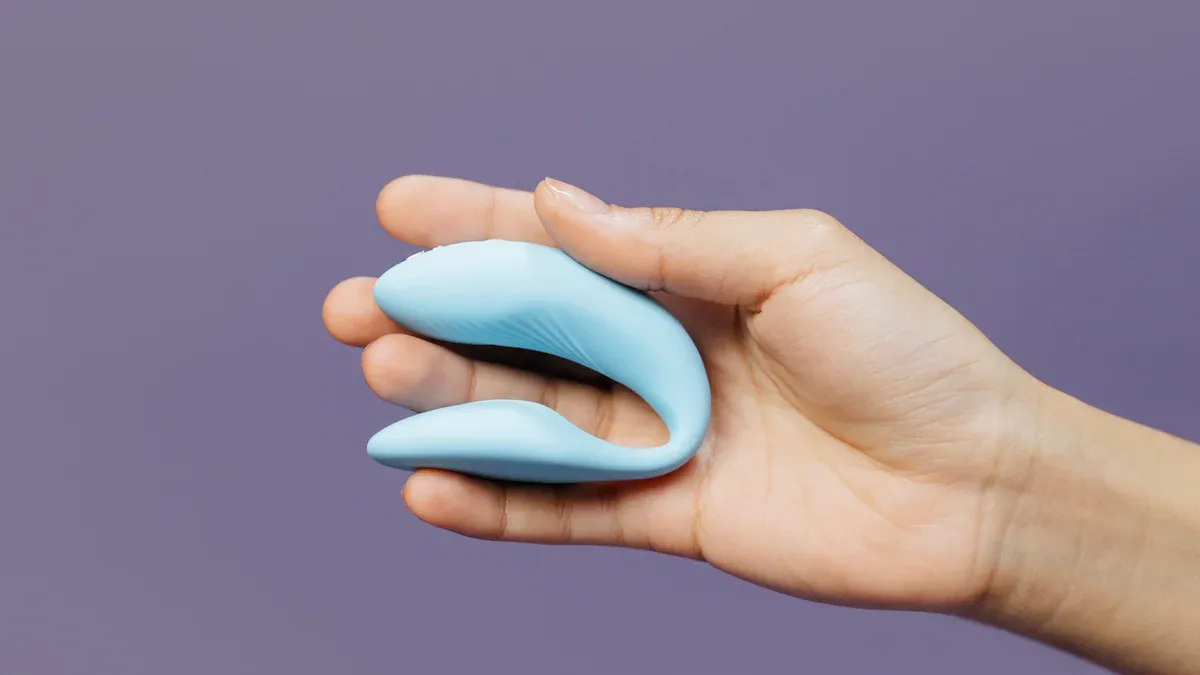
Imagine you want some alone time, but you worry someone might hear your vibrator in the next room. You start to think about why some vibrators are louder than others. Many people want a quiet vibrator because they want to keep things private in shared places, enjoy pleasure without being disturbed, or take it anywhere without people noticing. Knowing about noise levels helps you feel calm and sure during special moments.
Key Takeaways
-
Pick a vibrator that has a brushless motor for less noise. Brushless motors make strong vibrations but are not as loud as brushed motors.
-
Choose soft materials like silicone or rubber to make less noise. These materials soak up vibrations and keep the sound down.
-
Check the decibel ratings when you shop. A rating below 50 dB is best for privacy because it is hard to hear through closed doors.
-
Read what other people say in reviews to see how loud a vibrator is. Real stories can help you pick a quieter one.
-
Try easy ways to make things quieter at home. Soft things like pillows or blankets can help keep your use private.
Why Vibrators Differ in Noise
Motor Types
The motor inside a vibrator does most of the work. The kind of motor changes how loud it is. Brushless motors are smoother and quieter. They do not have brushes rubbing inside. You get strong vibrations without loud buzzing or crackling. Brushed motors use carbon brushes that touch other parts. This makes more friction and noise. Some motors use plastic shells instead of iron. Studies show plastic motors can lower noise by about 1 decibel. At some speeds, the difference is bigger. If you want a quiet vibrator, pick one with a brushless or plastic motor.
Materials and Build
The material of a vibrator matters a lot. Soft materials like rubber, urethane, or UHMW plastic soak up vibrations. This keeps things quiet. Hard materials like metal or hard plastic make the sound louder. They bounce the vibrations around. Here is a table:
|
Material Type |
Impact on Noise Level |
|---|---|
|
Urethane, UHMW, Rubber |
Absorb vibrations, reduce noise |
|
Harder materials |
Amplify sound due to impact and resonance |
If you want less noise, choose softer materials. Some brands add special layers or brush mats to dampen sound. These changes help keep noise down, especially at higher speeds.
Design Factors
The shape and design of a vibrator matter too. How the inside parts fit together changes the sound. The thickness of the casing also matters. Curves and angles can change how loud it is. Designers use special tools to study how parts move and vibrate. They find ways to make the surface shake less. Changing the structure can cut loud noises by almost 9 percent. The outside shape matters too. Some shapes spread out vibrations. Others trap them inside. This is why vibrators can sound different even with the same motor.
Tip: A thicker, softer casing usually means less noise escapes.
Power and Settings
Powerful vibrators use bigger motors and batteries. These can get loud, especially with C size batteries. Bigger batteries mean more power and more noise. If you want a quiet vibrator, you may need less power. Some vibrators have many settings. Lower speeds and gentle patterns make less noise. High speeds and strong pulses get noisy fast. Some brands, like Lelo, make quiet models. Always check reviews because there are exceptions.
If you want to keep things private, try using lower settings or softer patterns.
How Noise Affects Experience
Privacy Concerns
You probably want your private moments to stay private. When a vibrator gets loud, you might worry that someone will hear it through the wall or door. This worry can make you feel tense or distracted. You may even stop using your toy if you think someone could notice. Many people live with roommates, family, or thin walls. In these places, noise matters a lot.
Tip: If you want to keep things secret, try using your toy under a blanket or in a room with background noise, like a fan or music.
A quiet vibrator helps you relax. You do not have to worry about unwanted attention. You can focus on your own pleasure instead of listening for footsteps in the hallway.
Comfort and Enjoyment
Noise does not just affect privacy. It can also change how much you enjoy your experience. Some people find loud buzzing or rattling sounds annoying. These sounds can break your focus and make it hard to enjoy the moment. You might even feel embarrassed if you hear the noise echo in your room.
Here are some ways noise can affect your comfort:
-
You may feel less relaxed.
-
You might rush or cut your session short.
-
You could lose interest if the sound is too distracting.
If you want to know how to make a vibrator quiet, you can try using soft surfaces, like a pillow or blanket, to muffle the sound. Some people also look for toys made with softer materials or special designs that keep things quiet.
A peaceful, quiet space lets you enjoy yourself fully. You can focus on what feels good, not on what others might hear.
Quiet Vibrator Features

Decibel Ratings
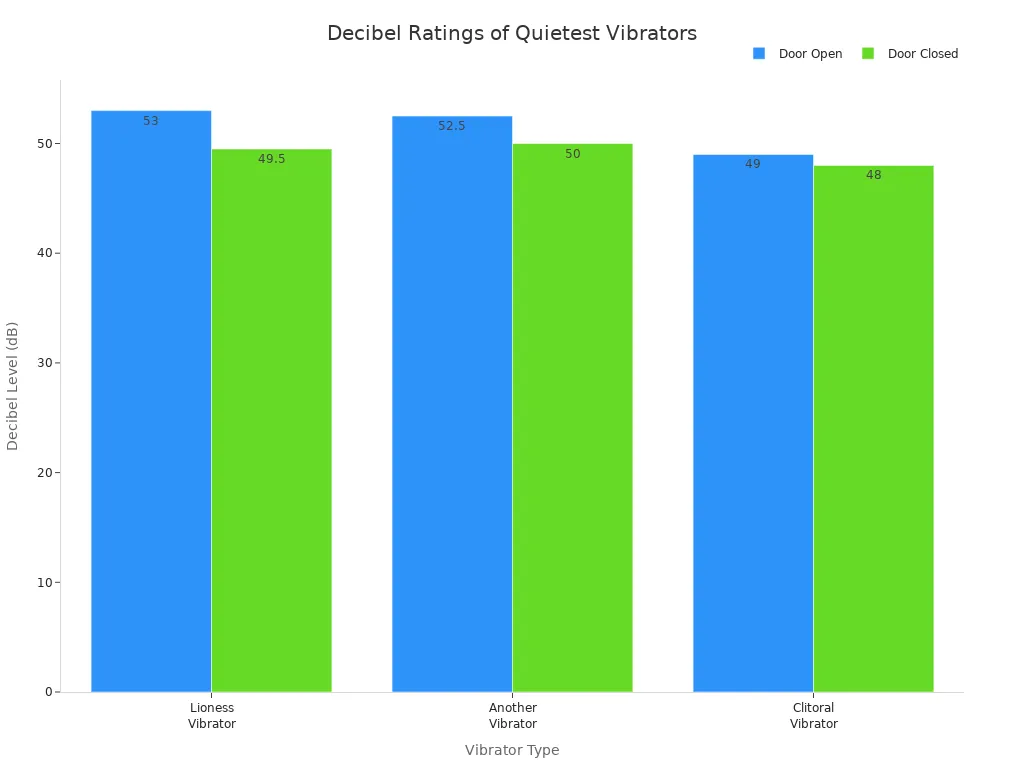
When you shop for a quiet vibrator, you want to know how loud it gets. Many brands now list decibel ratings, which tell you how much sound a toy makes. A lower number means less noise. Most people find anything under 50 dB hard to hear through a closed door. For comparison, normal rainfall is about 50 dB, and a running refrigerator is around 40 dB.
Here’s a quick look at how some vibrators compare:
|
Vibrator Type |
Door Open (dB) |
Door Closed (dB) |
|---|---|---|
|
Lioness Vibrator |
53 |
49.5 |
|
Another Vibrator |
52.5 |
50 |
|
Clitoral Vibrator |
49 |
48 |
You can see that the quietest models stay below 50 dB with the door closed. That’s about as loud as gentle rain. Most bullet vibrators also stay under 50 dB, which is considered average room noise. Some wand vibrators can be even quieter, with sound levels around 35 dB. If you see a decibel rating under 50 dB, you’re on the right track.
Here’s how these numbers stack up against everyday sounds:
|
Sound Level (dB) |
Description |
|---|---|
|
10 dB |
Breathing |
|
20 dB |
Whisper |
|
40 dB |
Refrigerator running |
|
50 dB |
Rainfall |
|
60 dB |
Conversation in coffee shop |
So, if you want to keep things private, always check for decibel ratings before you buy.
Motor Innovations
Vibrator makers have worked hard to make motors quieter. You can find some cool new features in today’s toys:
-
Anti-vibration coatings soak up extra movement and keep the motor from rattling.
-
Noise-reducing surface treatments block sound from escaping the toy.
-
Active noise control uses smart systems to listen for noise and send out opposite sound waves to cancel it out.
Some brands use advanced stepper motors with special algorithms. These motors cut down on the little shakes and jitters that make noise. They can’t remove all sound, but they make a big difference. Secure mounting also helps. When the motor stays in place, you don’t get that annoying rattle.
Tip: If you want to know how to make a vibrator quiet, look for toys that mention these motor features in their descriptions.
Noise-Reducing Materials
The material of your toy changes how much noise you hear. Soft, dense materials soak up sound. Hard plastics can make things louder.
-
Acoustic foam can cut noise by up to 20 dB.
-
Foam rubber and dense textiles like pillows or comforters work well for muffling sound.
-
Silicone sleeves absorb sound and help keep things discreet.
“Silicone is superior due to its sound-dampening properties, while ABS plastic can amplify noise. High-quality, body-safe silicone absorbs sound waves from the motor, effectively muffling noise, whereas hard plastics like ABS can vibrate and create an echo-chamber effect that makes the sound louder.”
If you want a peaceful experience, pick a toy made from silicone or use a soft barrier like a blanket.
Product Types
Not all vibrators sound the same. Some types are naturally quieter than others.
-
Rabbit vibrators usually make less noise than powerful wand vibrators.
-
Many bullet vibrators stay under 50 dB, which is about as loud as a quiet room.
-
Some wand vibrators can be very quiet, with sound levels around 35 dB. If you use them behind a closed door, they’re almost impossible to hear.
If you want the quietest option, look for small bullet vibrators or silicone-covered toys. These are great for privacy and comfort.
Testing Noise Levels
Pre-Purchase Tips
You want to make sure your new toy stays quiet before you buy it. One smart way is to check if the store or brand has a noise buying policy. This means they test products for sound before selling them. Some companies even let experts check the noise levels. If you see decibel ratings or noise standards listed, you can trust the product will be quieter. You can also ask customer service about noise tests or look for videos online where people show how loud the toy is. If you shop in person, try holding the vibrator against a soft surface like a pillow. This helps you hear the real sound it makes.
Tip: Always compare noise levels between models. A quick test on a soft surface can show you which one is best for privacy.
Reading Reviews
User reviews give you real-life info about noise. People share their own stories and rate how loud each toy is. They talk about where they use it, like under blankets or in the shower, and how the design affects sound. Some mention if loose batteries make extra noise. Many reviews use a scale from 1 to 5, with 5 being the loudest. You can spot patterns in what people say and find out which toys are truly quiet.
|
Criteria/Factor |
Description |
|---|---|
|
Subjective Experiences |
Personal opinions on noise levels |
|
Environmental Factors |
Where and how the vibrator is used |
|
Design of the Vibrator |
How materials and build affect sound |
|
Sound Barriers |
Using bedding, furniture, or background noise to muffle sound |
|
Battery Placement |
Secured batteries can lower noise |
|
Noise Rating System |
Scale from 1-5 for noise level |
Note: Sometimes, user reviews say a toy is louder than the brand claims. Always check more than one review to get the full picture.
-
User experiences often show differences from what brands promise.
-
The way you use the toy and where you use it can change how loud it seems.
-
Some models get called out for being too noisy, even if the box says "quiet."
Muffling Techniques
You can use simple tricks to make your vibrator quieter at home. Try these ideas:
-
Use thick blankets or pillows to absorb sound.
-
Wrap the base of the vibrator with a soft cloth.
-
Play music or turn on a white noise machine.
-
Take your toy into the shower, where water covers the sound.
-
Lay on your stomach to trap noise between your body and the bed.
-
Block the space under your door with a rolled-up towel.
Here’s a quick look at how different materials help:
|
Material Type |
Effectiveness |
Notes |
|---|---|---|
|
Fibrous Materials |
Good for mid to high frequencies |
|
|
Sound Absorbing Insulation |
Very effective |
Works for specific frequencies |
|
Lightweight Open Cell Foams |
Cost-effective |
Absorbs low frequencies, turns sound into heat |
If you want to know how to make a vibrator quiet, try using these muffling tricks. Soft surfaces and blankets work well for keeping things discreet. You can enjoy your quiet vibrator without worrying about noise.
Choosing a Quiet Vibrator
Balancing Power and Noise
When you look for a quiet vibrator, you might wonder if you have to give up power for silence. Some people love strong vibrations, but others want a silent vibrator for privacy. You can find a balance that works for you.
Here are some smart ways to get both power and quiet:
-
Mass Balancing: Makers balance moving parts inside the toy. This keeps the motor from shaking too much and lowers noise.
-
Damping Materials: Soft materials like silicone absorb vibrations. They help reduce loud sounds while keeping the feeling strong.
-
Vibration Isolation: Some toys use special pads or mounts. These keep the motor from touching the outer shell, so less noise escapes.
-
Optimizing Settings: Try different speeds and patterns. Lower settings often make less noise, but you can still enjoy strong pulses.
Tip: If you want to know how to make a vibrator quiet, look for models with thick silicone covers and adjustable settings.
User satisfaction goes up when toys stay quiet. Many people say they feel more relaxed and confident with a silent vibrator. You can enjoy pleasure without worrying about someone hearing you.
Trusted Brands
You want a toy that works well and stays discreet. Some brands focus on making quiet vibrators. They use better motors and soft materials. Here are a few names you might see:
|
Brand |
Known For Quiet Models |
Notes |
|---|---|---|
|
Lelo |
Yes |
Many models under 50 dB |
|
We-Vibe |
Yes |
Soft silicone, low noise |
|
Satisfyer |
Yes |
Good for beginners |
|
Womanizer |
Yes |
Air pulse toys, very quiet |
Always check reviews for each model. Sometimes, even trusted brands have louder toys. Look for user comments about noise. You can also watch videos to hear the sound before you buy.
Remember: The best quiet vibrator for you depends on your needs. Try different types and read what other users say. You might prefer a slight rumble for satisfaction, or you may want total silence.
You now know why some vibrators are louder than others. Motor type, materials, and design all play a part. When you want a quiet vibrator, focus on these features:
-
Check customer reviews for honest feedback.
-
Set your budget.
-
Pick body-safe materials like silicone.
-
Look for vibration patterns and waterproof options.
Remember, you can balance privacy with pleasure. Many people feel more comfortable when they choose a toy that fits their needs and lets them explore. Take your time, do your research, and find the quiet vibrator that works best for you.
FAQ
How do I know if a vibrator is quiet before buying?
You can check the decibel rating in the product description. Look for reviews from other users. Some brands share videos with sound tests. If you see “under 50 dB,” you’re usually safe.
Can I make my current vibrator quieter?
Yes! Try wrapping it in a soft cloth or using it under a blanket. You can play music or turn on a fan for extra cover. These tricks help muffle the sound.
Are small vibrators always quieter than large ones?
Not always. Some small vibrators use powerful motors that make more noise. Check the material and motor type. Silicone and brushless motors usually help keep things quiet.
Will a quiet vibrator still feel strong?
Absolutely! Many quiet vibrators use smart motor designs and soft materials. You can get strong sensations without loud buzzing. Look for models with adjustable settings for the best experience.
.webp?w=500&h=500)
.webp?w=500&h=500)
.webp?w=500&h=500)
.webp?w=500&h=500)