

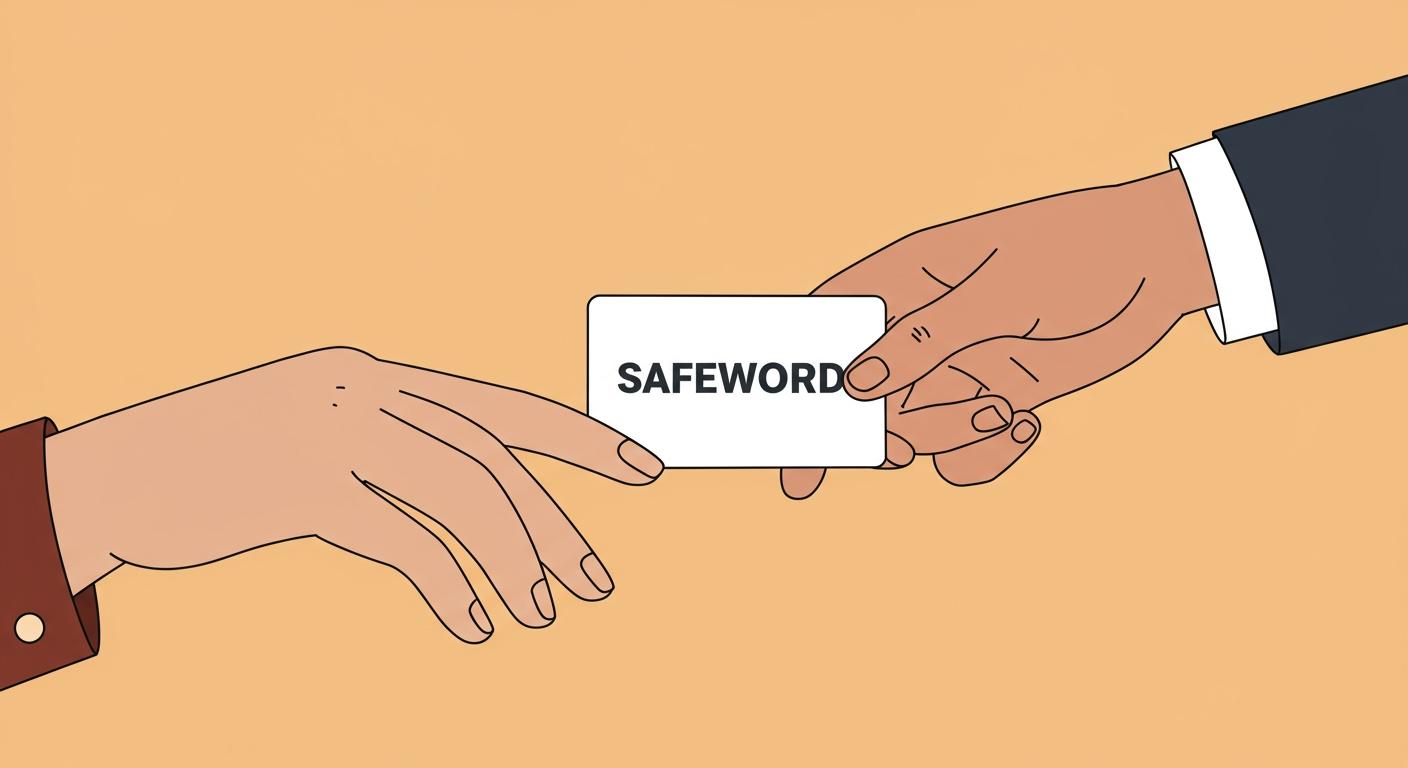
You have the power to keep every scene safe by using a safeword. This easy tool is very important for trust, consent, and emotional safety in BDSM. When you use safewords, you show that you care and act responsibly. You help everyone talk clearly, even when things get tough or roles are confusing. Some people think using a safeword means something bad happened, but it really shows you respect talking and limits.
Safewords keep your dynamic safe and help everyone feel okay. The stoplight system—green, yellow, red—lets you share how you feel and what you need at any time.
BDSM safewords help you explore and feel sure of yourself.
Key Takeaways
-
Safewords are very important for safety and trust in BDSM. They help partners share their limits and feelings in a clear way.
-
The traffic light system uses red, yellow, and green. It is an easy way to show how comfortable you feel during play. You can use it to check in without stopping the fun.
-
Non-verbal safewords matter when you cannot talk. You should agree on signals like hand signs or objects. This helps keep everyone safe.
-
Checking in often during play keeps everyone comfortable and safe. Ask your partner how they feel. This can stop problems before they get worse.
-
Aftercare is very important after a scene. It helps both partners deal with their feelings. It also builds trust and support.
What Are BDSM Safewords?
Safeword Definition
A safeword is not just any word. It is a special word, phrase, or gesture. You and your partner agree on it before you start. You use it to pause, slow down, or stop right away. This helps you avoid confusion.
A safeword is a word, phrase, or gesture you both choose. You can use it anytime to ask for less intensity, a break, or to stop.
Safewords help you feel safe and sure of yourself. You know you can speak up if something feels wrong. You can also ask for a break. This builds trust and makes consent clear.
There are many safewords in the community. Some people use colors like “red” or “yellow.” Others pick words that are easy to remember. These words should not come up in normal talk. Here are some popular choices:
|
Safeword Type |
Examples |
|---|---|
|
Colors |
Red, Yellow, Green |
|
Fruits |
Pineapple, Banana, Apple |
|
Food Groups |
Marshmallow, Vanilla |
|
Pop Culture |
Celebrity names |
Workshops and classes teach about safewords. They show you how to use them and why they matter. Safewords are not just for beginners. They help everyone, no matter their experience.
-
They keep everyone safe and make sure there is consent.
-
Safewords help partners trust each other and explore safely.
Why "No" or "Stop" Isn’t Enough
You might think saying “no” or “stop” is enough. In daily life, these words work well. In BDSM, things can be different. Sometimes, you pretend to resist or play out a fantasy. “No” might be part of the fun. That’s why you need a clear safeword.
In BDSM, safety and talking are very important. Whether you are new or experienced, you must use a clear safeword system. Many people think 'no' and 'stop' always mean to end a scene. But sometimes, these words are part of the play, not a real signal.
-
In BDSM, 'no' and 'stop' can be part of the game.
-
A safeword system is needed for safety and clear signals.
If you do not use safewords, you might get confused. Some people feel proud for not using safewords, but this can be risky. You might forget your limits in the moment. Sometimes, you freeze or feel shy to speak up. This can make things unsafe.
-
Some people may not talk, making things harder.
-
Feeling excited can make you forget your limits.
-
Fear or embarrassment can stop you from using safewords.
-
Freezing up can lead to unsafe moments.
Safewords are your safety net in BDSM. They help everyone know when to stop or slow down. You do not have to guess what your partner means. When you hear the safeword, you both know what to do.
Safe Word System in Practice
Red-Yellow-Green Method
You might hear people talk about the traffic light system in BDSM. This safe word system uses three colors—red, yellow, and green—to help you share how you feel during a scene. It is simple, clear, and works well for everyone, even if you are new to BDSM safewords.
Here is how the traffic light system works:
|
Color |
Meaning |
|---|---|
|
Red |
Play stops right away. You have reached your limit and need everything to end immediately. |
|
Yellow |
You want to slow down. Maybe you feel close to your edge or need a quick check-in. |
|
Green |
You feel good and want to keep going. You are comfortable and enjoying the scene. |
This safe word system gives you more options than a single safeword. You do not have to wait until you want to stop everything. You can use yellow to ask for a break or to slow down. Green lets your partner know you are happy and ready for more. Red always means a full stop.
The traffic light system helps you and your partner talk about comfort and limits without breaking the mood. You can check in with each other and adjust as needed.
Some benefits of using the traffic light system include:
-
You can share your feelings in a simple way.
-
It helps you and your partner check in without stopping the scene.
-
You build trust and better communication.
-
You can explore safely and enjoy more.
Using a safe word system like this makes responsible play easier. You know your partner will listen if you say red or yellow. You can relax and focus on the experience. The traffic light system supports responsible play and helps everyone feel safe.
Non-Verbal Safe Words
Sometimes, you cannot speak during a scene. Maybe you have a gag, or you just cannot talk. You still need a way to use a safe word system. Non-verbal safe words help you stay safe and keep communication open.
Here are some non-verbal safe words you can try:
-
Hold a set of keys or a noisy item. Drop it if you need to stop.
-
Use a dog trainer’s clicker to make a sound.
-
Show a hand signal, like holding up your fist or waving.
-
Make three clear grunts or sounds as a signal to stop.
-
Squeeze your partner’s hand if they place a finger in your palm.
-
Use something bright, like a glow stick, that is easy to see.
-
Hold and drop a scarf or stress ball.
-
Use a bike horn or bell to make noise.
-
Blink quickly or tap out with your hand.
Tip: Always agree on your non-verbal safe words before you start. Practice them together so you both know what to look for.
Non-verbal safe words make the safe word system work for everyone. They help people who cannot speak or who want extra safety. You can use these signals to keep responsible play at the center of your scene. The traffic light system can also work with hand signals or objects. For example, you can hold up one finger for green, two for yellow, and three for red.
No matter what, always use a safe word system that fits your needs. Good communication keeps you and your partner safe. Safe words and non-verbal signals help you enjoy your scene and trust each other.
Safeword and Trust in BDSM
Building Boundaries
When you step into a BDSM scene, you bring your own limits and comfort zones. Using a safeword helps you draw a clear line around what feels safe for you. You do not have to guess or hope your partner understands your feelings. Instead, you have a tool that lets you speak up at any time. This makes it easier to relax and enjoy the moment.
Safewords are not just for stopping play. They help you keep your boundaries strong, even if things get intense. You can use your safe word to pause, slow down, or stop if something feels off. This shows that consent is not just a one-time thing. You can change your mind or take a break whenever you need. You never have to feel guilty or ashamed for using your safeword. It is there to protect you and keep your experience positive.
When you know you can use your safeword at any time, you feel safer and more in control. This trust lets you explore new things without fear.
Mutual Consent and Respect
Trust grows when everyone knows their voice matters. Safe words give you and your partner a way to check in and make sure everyone feels good. You both agree to listen and stop if someone uses the safeword. This builds respect and shows you care about each other’s well-being.
-
They show that everyone’s comfort is important.
-
Using safewords means you value trust and emotional safety.
-
You both show maturity and care by honoring safe words.
When you use bdsm safewords, you show that you want a safe and respectful space. Both partners feel seen and heard. This makes your bond stronger and helps you trust each other more. Knowing your partner will respect your safeword lets you surrender or take control with confidence. You both share the power to stop or change the scene, which makes your connection even deeper.
Choosing and Using Safe Words
Picking the Right Safe Word
You want a safeword that stands out and is easy to remember. If you pick something common, you might say it by accident during play. Try words like "pineapple" or "elephant"—they are unique and not likely to come up in a scene. Experts say you should look for these qualities when choosing a safe word:
|
Characteristic |
Description |
|---|---|
|
Uniqueness |
Pick a word that is not used in everyday talk. |
|
Complexity |
Use a word that is easy for you but not too simple. |
|
Secrecy |
Keep your safe word private between you and your partner. |
|
Regular Updates |
Change your safe word sometimes to keep things fresh. |
You can also use the traffic light system. Green means you feel good, yellow means slow down, and red means stop right away. Some people like custom safe words or non-verbal signals, like dropping an object or tapping out. These options help you protect your boundaries and avoid confusion.
Establishing safe words and signals is key for a safe and fun experience. Clear and simple cues let you share your limits and keep things comfortable.
Communicating Safe Words Clearly
You need to make sure your partner knows your safe word before you start. Talk about it together and practice using it. You can do a quick run-through, even if you do not need to use it. This helps you remember your clear safe word when things get intense.
Here are some tips to help you communicate safe words:
-
Pick a word that is easy to remember and say.
-
Practice using your safe word in a relaxed setting.
-
Use check-ins during play. Your partner can ask you to use the color system for feedback.
|
Strategy |
Description |
|---|---|
|
Unique Word |
Choose a word that stands out, like "banana." |
|
Practice Use |
Try saying your safe word a few times before you start. |
|
Check-in Method |
Your partner can ask you to say "green," "yellow," or "red" to share how you feel. |
You should always reaffirm safe words before every scene. Remind your partner that using a safe word is healthy and normal. After play, talk about how things went and check in emotionally. This helps you both feel safe and respected.
Safe Words and Ongoing Communication
Check-Ins During Play
You might think that using a safe word is enough to keep things safe. It helps a lot, but you also need to check in with your partner during play. When you check in, you ask how your partner feels. You listen to their answer and watch their body language. This helps you both feel safe and cared for.
-
Regular check-ins let you talk about comfort, pain, and emotions.
-
You can see if your partner feels okay or needs a break.
-
These check-ins help you stop problems before they get too big.
You do not have to wait for someone to use a safeword. You can ask, “How are you feeling?” or “Is this still good for you?” This keeps the scene fun and safe for everyone. Sometimes, a simple nod or a thumbs-up works too. You build trust when you show you care about your partner’s well-being.
Tip: Check-ins are not just for beginners. Even if you know your partner well, checking in shows respect and helps you both enjoy the scene more.
Aftercare and Debriefing
After a scene, you and your partner may need time to relax and talk. This is called aftercare. Aftercare helps you both feel safe and supported. It is important for everyone, not just for submissives. Dominants may also need comfort and reassurance.
If someone uses a safe word during play, aftercare becomes even more important. You might feel scared, hurt, or need extra support. Aftercare should start right away if a safe word is used. Both partners need to know they are safe and cared for.
-
Aftercare helps you feel better if you feel upset or worried.
-
Both partners can talk about what happened and share their feelings.
-
You can use this time to talk about why the safe word was used and how to make things better next time.
Remember: Safe words do not replace aftercare. You need both to keep your scenes safe and positive.
You can ask questions like, “How do you feel now?” or “Is there anything you need?” This helps you learn and grow together. Good aftercare and open talks make your bond stronger and help you trust each other more.
You can’t skip the safeword if you want a safe, fun, and respectful BDSM experience. Safe words protect you and your partner every time. They help you talk about your feelings and keep trust strong. Here’s what you gain when you use a safe word:
-
You share your limits without guilt.
-
You support each other’s emotional health.
-
You make aftercare easier and more caring.
Using safe words shows you care, act mature, and respect your partner’s feelings.
FAQ
What if I forget my safeword during a scene?
You can pick a backup word or use the traffic light system. Practice your safeword before you start. If you freeze, use a non-verbal signal like dropping an object or tapping out.
Can I change my safeword later?
Yes! You can change your safeword anytime. Talk with your partner before each scene. Pick a word that feels right for you both. Changing it keeps things fresh and safe.
Do I need a safeword if I trust my partner?
Absolutely! Safewords help you stay safe, even with someone you trust. They give you a clear way to speak up. Trust grows stronger when you use safewords together.
What should I do if my partner ignores my safeword?
Stop the scene right away. Talk about what happened. If your partner does not respect your safeword, you should not play with them. Your safety always comes first. 🚨
.webp?w=500&h=500)
.webp?w=500&h=500)
.webp?w=500&h=500)
.webp?w=500&h=500)